
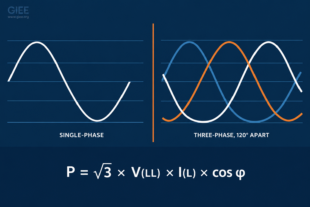
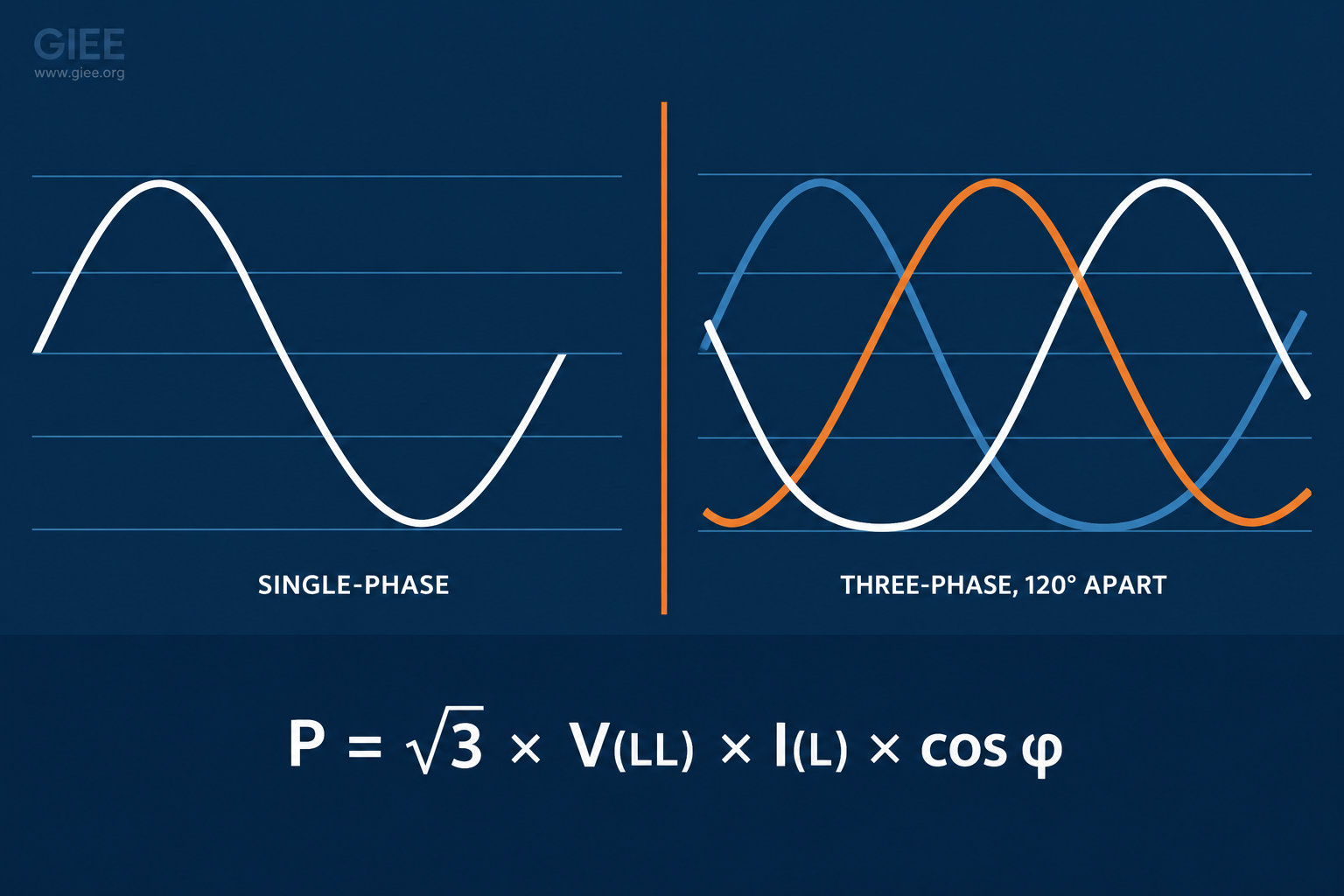
Single-Phase vs. Three-Phase Systems: How to Calculate Power and Current Correctly
Key Takeaways Single-phase and three-phase systems obey the same power relationships. The only structural difference is that three-phase adds two …
Read More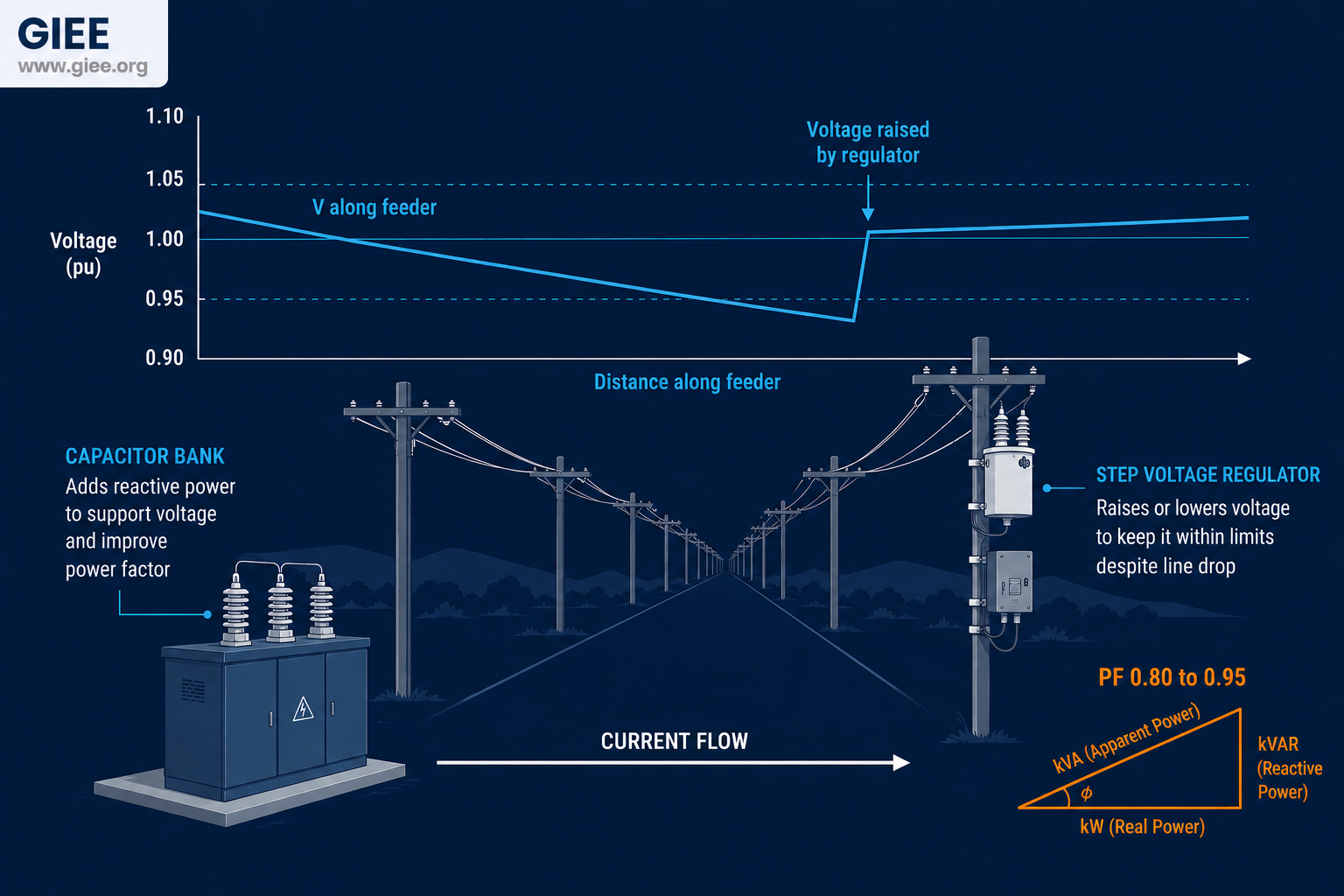
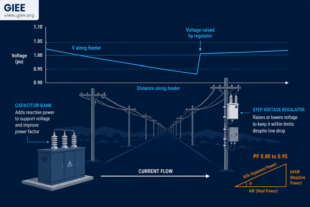
Capacitor Banks and Voltage Regulators: Why You Need Both
Key Takeaways Voltage drop and poor power factor share a root cause – reactive current drawn by inductive load …
Read More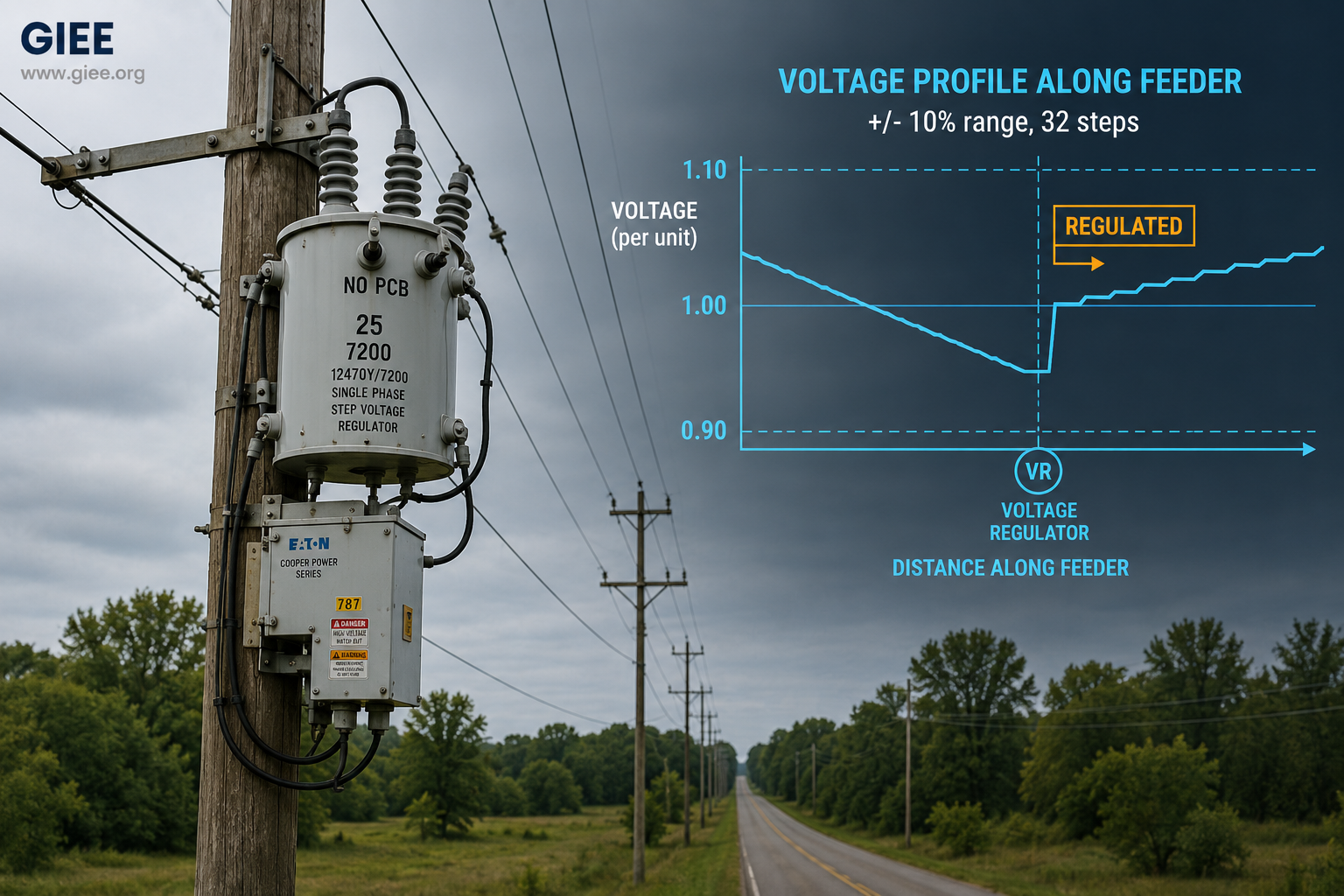
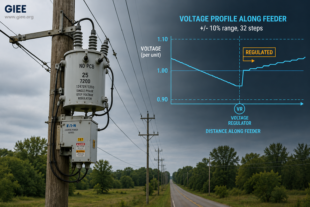
Voltage Regulators in Power Systems: How They Keep Feeders in Spec
Key Takeaways A voltage regulator is an autotransformer with a motorized tap changer that boosts or bucks line voltage …
Read More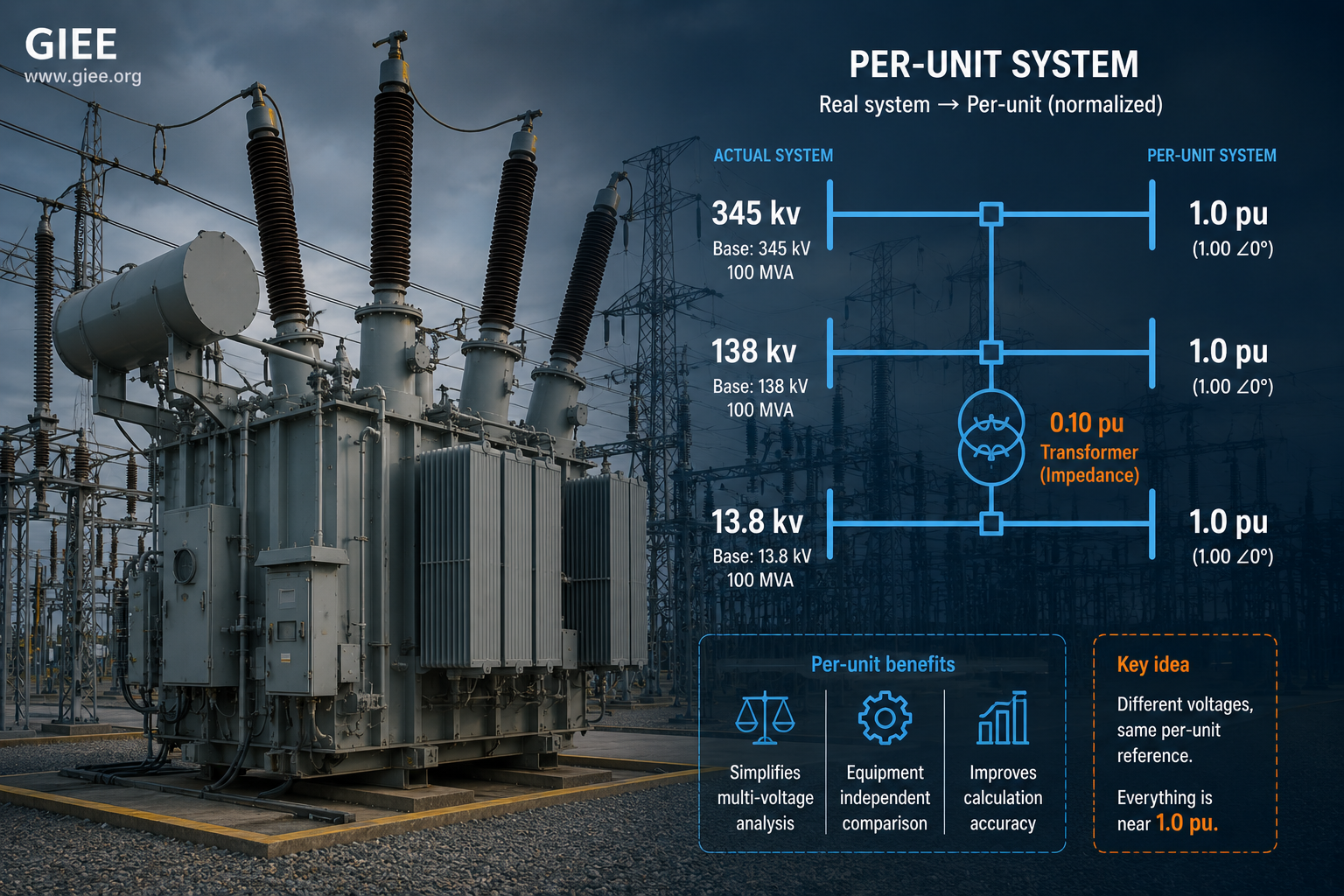
Per-Unit System Explained: Bases, Conversion, and Pitfalls
Key Takeaways The per-unit (pu) system expresses every electrical quantity as a fraction of a chosen base, turning volts, …
Read More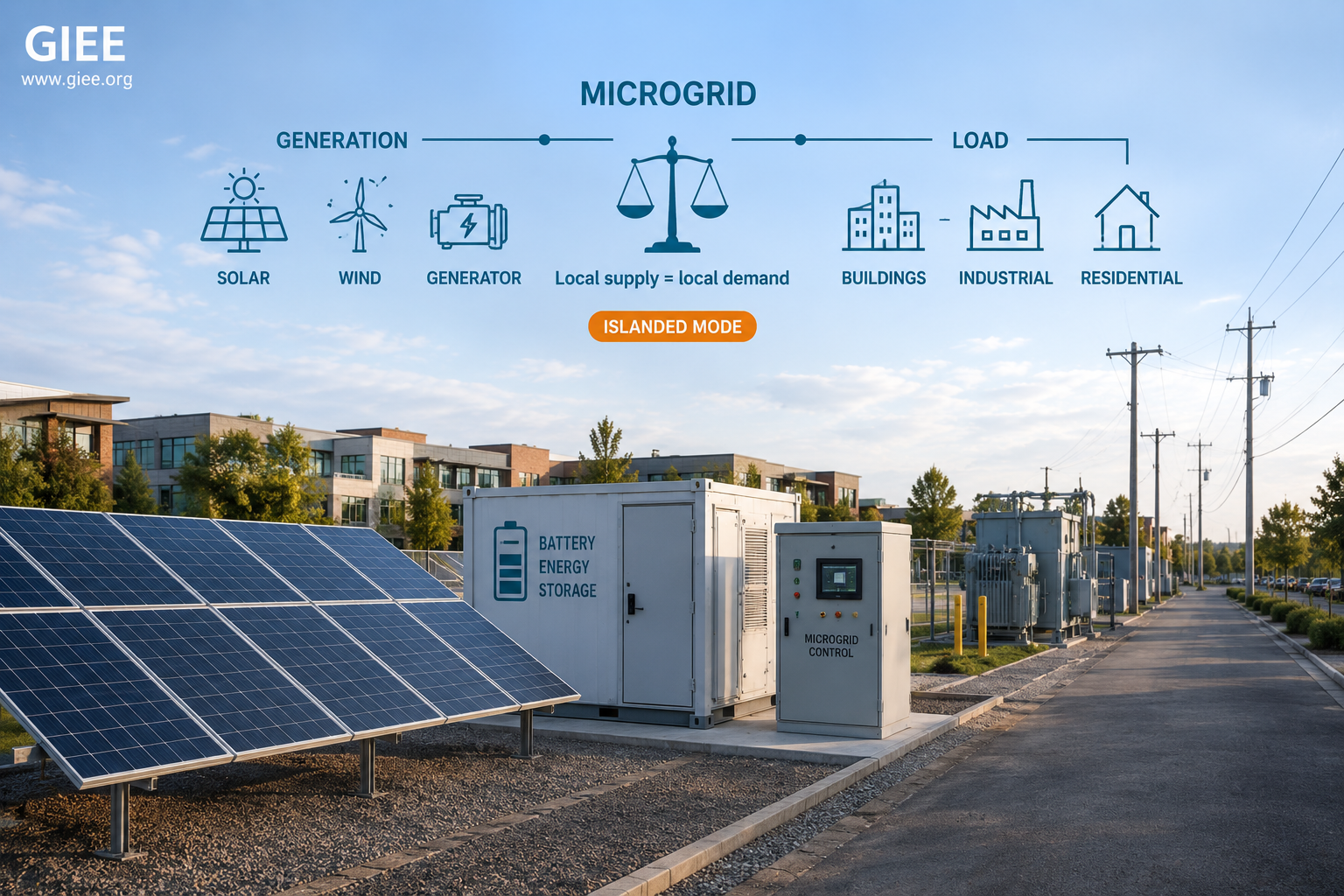
What Is a Microgrid? Architecture, Control, and Operation
Key Takeaways A microgrid is a bounded set of distributed energy resources (DER) and loads that can run connected …
Read More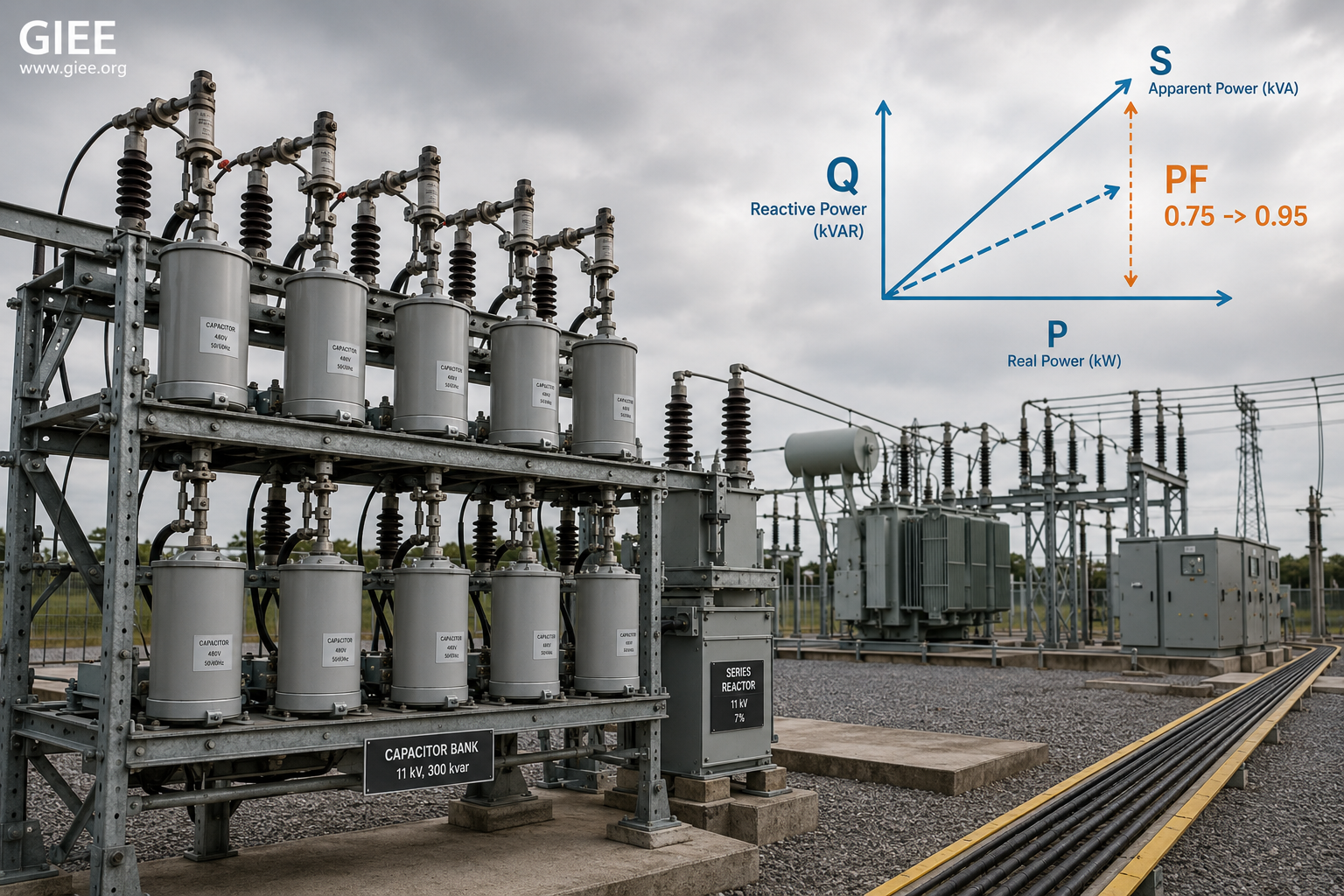
Capacitor Banks in Power Systems: How Reactive Compensation Cuts Current, Losses, and Voltage Drop
Key Takeaways Capacitor banks supply reactive power (kVAR) locally, so inductive loads draw less reactive current from the source. Correcting …
Read More